Wichtigste Fakten auf einen Blick
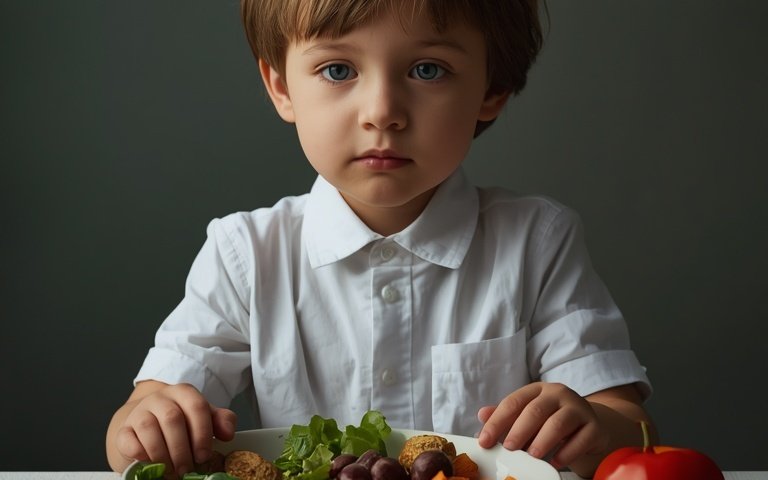
Die wachsende Popularität alternativer Ernährungsformen stellt viele Familien vor die Frage, inwieweit ein Verzicht auf Fleisch auch für Heranwachsende geeignet ist. Während eine pflanzenbasierte Kost bei Erwachsenen längst akzeptiert ist, wird die Einführung einer vegetarischen Ernährung im Kindesalter in der Öffentlichkeit oft noch kritisch betrachtet. Aktuelle ernährungswissenschaftliche Erkenntnisse zeigen jedoch, dass gut geplante fleischfreie Kostformen wie der Lakto-Ovo-Vegetarismus oder der Lakto-Vegetarismus keineswegs pauschal als schädlich einzustufen sind, sondern bei sachgemäßer Umsetzung die gesunde Entwicklung unterstützen und zur langfristigen Prävention von Zivilisationskrankheiten wie Übergewicht, Insulinresistenz oder Bluthochdruck beitragen können.
Aus physiologischer Sicht bietet eine durchdachte vegetarische Kinderernährung spezifische Vorteile, erfordert jedoch gleichzeitig ein hohes Maß an elterlicher Sorgfalt bezüglich potenzieller Nährstoffdefizite. Durch den reichhaltigen Verzehr von basenbildendem Obst und Gemüse wird das Säure-Basen-Gleichgewicht im wachsenden Organismus positiv unterstützt, während der hohe Anteil an mehrfach ungesättigten Fettsäuren ein günstiges Lipidprofil fördert. Demgegenüber steht das Risiko einer unzureichenden Zufuhr an vollwertigem Eiweiß, welches in traditionellen Kostformen primär über Fleischprodukte gedeckt wird, weshalb extreme Ernährungsvarianten im Kindesalter vermieden werden sollten.
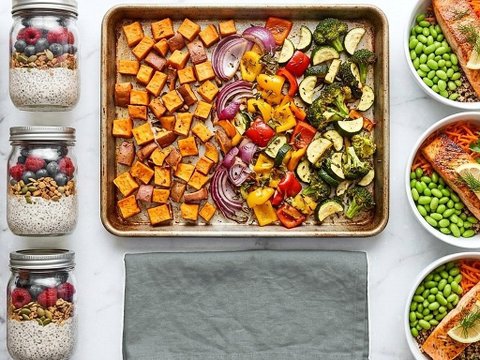
Für die tägliche Ernährungspraxis bedeutet dies, dass Eltern vor einer Ernährungsumstellung ihres Kindes fundiertes Wissen aufbauen und die Mahlzeitenplanung verantwortungsbewusst gestalten müssen. Um einer Unterversorgung mit essenziellen Bausteinen vorzubeugen, empfiehlt es sich, verschiedene pflanzliche Proteinquellen gezielt miteinander zu kombinieren, sodass sich deren Aminosäureprofile gegenseitig optimal ergänzen. Eine regelmäßige fachliche Begleitung durch Kinderärzte und qualifizierte Ernährungsfachkräfte hilft dabei, den individuellen Bedarf des Kindes in jeder Wachstumsphase sicherzustellen.
In letzter Zeit ist ein deutlicher Anstieg der Beliebtheit alternativer Ernährungsweisen zu beobachten, die mit traditionellen Methoden vergleichbar sind. Derzeit am häufigsten angewandte unkonventionelle Diät ist Vegetarismus und seine verschiedenen Varianten. Obwohl die Anwendung von Vegetarismus bei Erwachsenen keine größeren Kontroversen hervorruft, wird seine Einführung in der Kinderernährung immer noch als gefährlich und schädlich angesehen. Dennoch deuten immer mehr wissenschaftliche Studien darauf hin, dass die vegetarische Ernährung sicher ist und sogar gesundheitliche Vorteile bringen kann, die sich aus dem Verzicht auf Fleisch ergeben.
01 / 03
Plant-based nutritional principles – meat-free dietary patterns and their variations
The Institute of Food and Nutrition in Poland affirms that properly structured vegetarian dietary patterns—particularly lacto-ovo-vegetarianism and lacto-vegetarianism—yield measurable health benefits while significantly reducing the risk of developing civilization-related diseases, including overweight and obesity, insulin resistance leading to type 2 diabetes, arterial hypertension, and certain malignant neoplasms. Scientific evidence indicates that individuals adhering to these dietary models demonstrate an increased intake of foods with well-documented positive effects on human health—such as fresh and processed fruits, leguminous vegetables and root crops, whole-grain cereals, oilseeds, and nuts—while simultaneously limiting the consumption of detrimental components like saturated fats and animal-derived cholesterol. Nutrition experts emphasize that both lacto-ovo-vegetarian and lacto-vegetarian diets—when adequately balanced to meet requirements for complete protein, iron, vitamin B12, and calcium—can serve as nutritionally complete models for all age groups, including infants post-breastfeeding, growing children, and adolescents. Although the theoretical feasibility of implementing such diets in institutional catering (e.g., schools) exists, practical challenges arise due to the logistical complexities of preparing separate meals for a relatively small cohort of individuals following these regimens.
The motivations underlying the adoption of a vegetarian diet are diverse and multidimensional: for some, the decision stems from religious or philosophical convictions (e.g., the principle of *ahimsa* in Hinduism or Jainism), while for others, ethical considerations—such as animal rights advocacy or concerns about the welfare of farmed animals—take precedence. Increasingly, ecological factors also play a pivotal role, as awareness grows regarding the detrimental impact of intensive industrial animal farming on climate change, soil degradation, and water resource depletion. In the case of children, the transition to a vegetarian diet is almost invariably initiated by the dietary preferences and worldview of their legal guardians.
Within the scientific literature, several core variants of vegetarianism are distinguished, each characterized by varying degrees of restrictiveness: **lacto-ovo-vegetarianism** (excludes all meat—including poultry, fish, and seafood—while permitting eggs, dairy products, and honey), **lacto-vegetarianism** (eliminates meat and meat derivatives as well as fish but allows dairy consumption), and **ovo-vegetarianism** (permits eggs but excludes all other animal-derived products). More extreme iterations exist, the adoption of which—particularly among children and adolescents during periods of rapid growth—carries a heightened risk of nutritional deficiencies (e.g., complete protein, heme iron, vitamin B12, zinc, or long-chain omega-3 fatty acids): **veganism** (complete abstention from all animal-derived foods, including dairy, eggs, and honey), **raw foodism (vitarianism)** (a diet composed exclusively of unprocessed plant-based foods such as fruits, vegetables, sprouts, nuts, and seeds, with no heating above 40–48°C), and **fruitarianism** (the most restrictive form, limited to the consumption of fruits, nuts, and seeds that can be harvested without harming the parent plant). Consult detailed guidelines on each variant of vegetarianism to avoid dietary pitfalls and ensure nutritional adequacy!
Möchten Sie diese Richtlinien in Ihrer täglichen Ernährung umsetzen?
Unser intelligenter Diät-Generator erstellt in 3 Minuten einen maßgeschneiderten Speiseplan basierend auf diesen Empfehlungen.