Wichtigste Fakten auf einen Blick
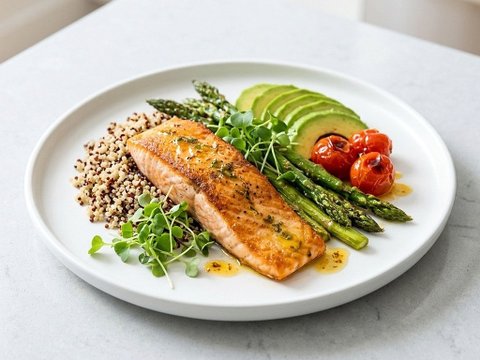
Die Mittelmeer-Diät stellt eine wissenschaftlich fundierte Ernährungsweise dar, die sich durch die Reduzierung von schwerem tierischem Eiweiß zugunsten hochwertiger pflanzlicher Alternativen auszeichnet. Anstelle von schwerem Fleisch wie Schweinefleisch stehen frischer Fisch, Meeresfrüchte sowie eine Fülle an naturbelassenen Pflanzenstoffen im Mittelpunkt. Dieses Ernährungskonzept fördert ein nachhaltiges Wohlbefinden und bietet eine ausgewogene Grundlage für eine langfristige Vitalität.
Physiologisch basiert diese Ernährungsform auf der täglichen Integration von Vollkornprodukten, Gemüse, Früchten, Nüssen, Samen und hochwertigem Olivenöl. Diese Kombination liefert essenzielle Vitamine, Mineralstoffe, Ballaststoffe und Antioxidantien, die das Herz-Kreislauf-System unterstützen. Der bewusste Verzicht auf fettreiches Fleisch und die Bevorzugung von pflanzlichem Proteinen tragen zur Regulierung des Cholesterinspiegels und des Blutdrucks bei, was wiederum das Risiko für koronare Herzerkrankungen mindern kann.
Für den Alltag empfiehlt es sich, Mahlzeiten schrittweise um pflanzliche Komponenten, frische Kräuter und gesunde Fette zu ergänzen. Der regelmäßige Verzehr von Fisch und Nüssen ersetzt dabei schwere tierische Proteinquellen, ohne dass auf Genuss verzichtet werden muss. Eine solche schrittweise Umstellung unterstützt eine schonende Gewichtskontrolle und stärkt die kardiovaskuläre Gesundheit auf ganz natürliche Weise.
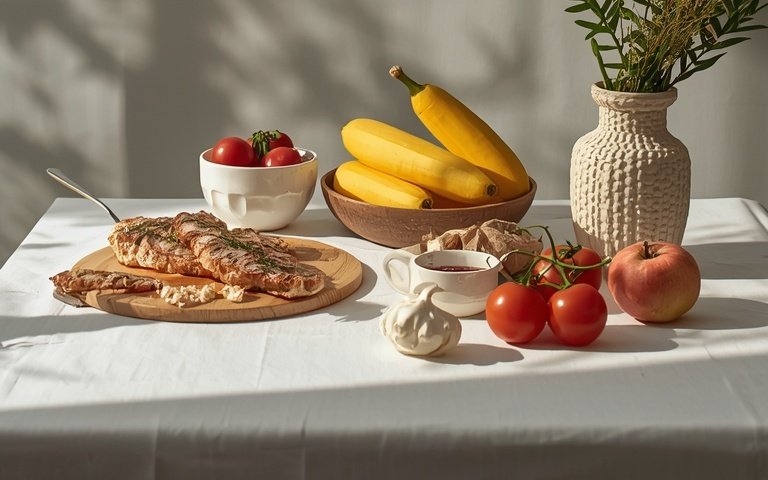
Diese Ernährungsweise setzt auf den Verzicht von tierischem Eiweiß und bevorzugt pflanzliche Proteinquellen. Statt Schweinefleisch greifen wir zu Fisch und Meeresfrüchten. Entdecken Sie, welche weiteren Lebensmittel in der Mittelmeerdiät empfohlen werden.
03 / 03
Mediterranean diet – recommended and prohibited products
The basis of the diet is plant-based products, i.e., cereals, vegetables and fruits, legumes, nuts, seeds, olive oil, herbs, and spices. As a rule, they should be eaten daily, practically in every meal. They are an important source of energy, vitamins and mineral components, fiber, antioxidants, protein (legumes) and fat (olive oil). Whole-grain cereal products in the least processed form should be chosen. Whole-grain bread, groats, and pasta are especially recommended. White bread is eaten sporadically. Vegetables and fruits are an integral part of the Mediterranean diet. Try to choose seasonal, fresh produce from local cultivation. Raw salads or vegetables stewed in olive oil, or fruit for dessert, are daily occurrences for residents of the Mediterranean region. Legumes are a good source of micronutrients, protein, and fiber. It is recommended to consume beans, lentils, fava beans, or chickpeas at least twice a week as a main meal. Mediterranean cuisine is also famous for delicious dips based on legumes (e.g., hummus). Nuts and seeds are eaten as snacks or as additions to dishes. The Mediterranean diet recommends consuming them at least 2–3 times a week. Olive oil has been a primary source of fat since ancient times. The polyphenols contained in it prevent atherosclerosis while also providing antioxidants and vitamin E. Greeks consume the most olive oil in the world, up to 26 liters per year per person, which is about ½ liter per week! It is worth noting that they have a very low incidence of cardiovascular diseases. Olive oil can be used in all dishes. In the Greek style, you can cook on it, bake cakes, drizzle salads, or dip bread in it. It is important to use extra virgin olive oil, which has the highest nutritional value. It is worth using it instead of butter or margarine. In Mediterranean cuisine, little salt is used. Instead, lots of spices are used, which not only enhance the flavor but also contain a wide range of active ingredients. Dishes are enriched with large amounts of garlic and onion, which are known for their antibacterial and blood pressure-lowering properties. Equally popular spices include basil, rosemary, thyme, sage, and cumin, which contain strong antioxidants that protect against atherosclerosis. Fish and seafood are products typically associated with the Mediterranean diet. In this diet, it is recommended to consume fish and seafood at least 2 times a week. Therefore, it is worth introducing sardines, anchovies, salmon, herring, and tuna, which are rich in omega-3 fatty acids, to our menu. Snails, once a free source of protein for the poor, are now one of the favorite dishes in Mediterranean cuisine. Oysters, crabs, mussels, and shrimp are a rich source of zinc, which will further support the nervous system. Dairy products (yogurts, cheeses) in the Mediterranean diet are consumed in moderate amounts, primarily in the form of lean and hard yogurts. However, it is worth adding a small piece of full-fat and aromatic feta to the vegetable salad, grating some Parmesan onto the pasta, or making a dip based on natural yogurt (e.g., tzatziki) instead of mayonnaise. In the Mediterranean diet, it is a tradition to have a glass of wine with lunch. The beneficial effect of wine consumed in moderate amounts results from the presence of strong antioxidants called resveratrol. "Moderate amount" refers to a maximum of 2 glasses of wine per day for men and 1 glass for women consumed with a meal. As for red meat, it is not a staple product in this type of diet, but rather an addition. It is recommended to combine small portions of meat with a large amount of vegetables. Similarly, according to the Mediterranean diet, eggs should be consumed in limited quantities, up to 4–5 per week.
Möchten Sie diese Richtlinien in Ihrer täglichen Ernährung umsetzen?
Unser intelligenter Diät-Generator erstellt in 3 Minuten einen maßgeschneiderten Speiseplan basierend auf diesen Empfehlungen.