Bitterkraut – Heilwirkungen, Anwendungsmethoden und potenzielle Gefahren. Rezepte für Tee, Wein und Likör aus Bitterkraut
Inhaltsverzeichnis 5
Medizinischer & redaktioneller Hinweis (§3 AGB): Dieser Artikel dient ausschließlich Informations- und Bildungszwecken, stellt keine ärztliche Beratung, Diagnose oder Therapieempfehlung dar und wird auf eigenes Risiko angewendet. Bei Erkrankungen oder Beschwerden wenden Sie sich bitte an Ihre Ärztin oder Ihren Arzt.
Die therapeutische Wirkung basiert auf bioaktiven Substanzen wie Bitterstoffen, ätherischen Ölen und Gerbstoffen. Beim Kontakt mit den Geschmacksrezeptoren der Zunge lösen diese Verbindungen reflexartig eine gesteigerte Produktion von Speichel, Magensäure und Gallensekret aus. Diese physiologische Reaktion fördert die Aufspaltung der Nahrung, wirkt entkrampfend und kann Blähungen entgegenwirken. Neben klassischen Wässerauszügen wie Tee finden auch traditionelle Wermutweine und Tinkturen Verwendung. Allerdings enthält die Pflanze den Stoff Thujon, der in zu hohen Dosen oder bei dauerhafter Anwendung das Nervensystem belasten und lebertoxische Effekte hervorrufen kann. Aus diesem Grund ist eine bedachte und zeitlich begrenzte Einnahme essenziell.
Für den Alltag bietet der Echte Wermut eine wertvolle pflanzliche Unterstützung bei punktuellen Verdauungsbeschwerden oder Appetitlosigkeit. Ein mild zubereiteter Aufguss kann kurz vor oder nach den Mahlzeiten getrunken werden, um die Verdauungsorgane sanft zu aktivieren. Auf eine übermäßige oder monatelange Anwendung sollte jedoch unbedingt verzichtet werden, um unerwünschte Nebenwirkungen auszuschließen. Bei bestehenden Erkrankungen der Leber, der Galle oder des Nervensystems ist vor der Verwendung ärztlicher Rat einzuholen.
Der Echte Wermut, wissenschaftlich als Artemisia absinthium bezeichnet, zählt seit jeher zu den bedeutendsten Heilpflanzen der europäischen und asiatischen Volksmedizin. Sein charakteristisch bitterer Geschmack sowie der Gehalt an wirksamen Inhaltsstoffen wie Absinthin und Thujon machen ihn zu einem bewährten Mittel bei Verdauungsbeschwerden, zur Anregung des Appetits sowie zur Unterstützung der körpereigenen Entgiftungsprozesse. Obwohl das Interesse an seinen gesundheitsfördernden Eigenschaften im Rahmen der modernen Phytotherapie wieder zunimmt, ist Vorsicht geboten: Eine Überdosierung oder langfristige Einnahme von Wermutpräparaten kann schwerwiegende neurologische Störungen oder sogar lebertoxische Schäden zur Folge haben.
Wormwood herb (Artemisia absinthium) – botanical profile
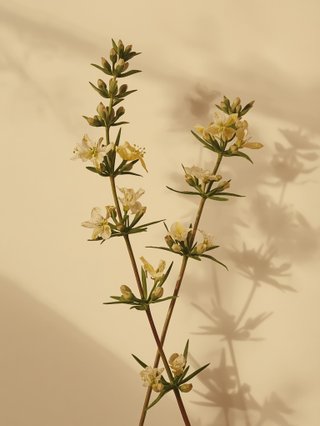
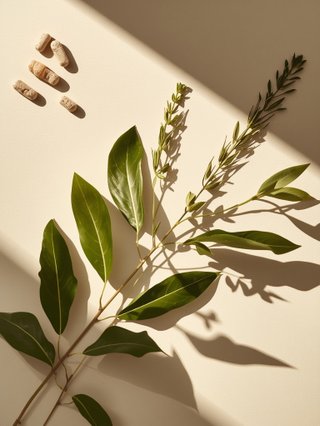
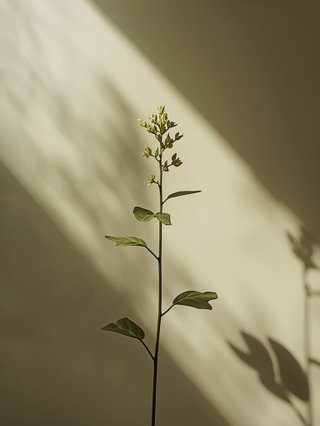
Common wormwood (Artemisia absinthium) is a perennial herbaceous plant belonging to the Asteraceae family, indigenous to temperate regions of Europe, Asia, Northern Africa, and naturalized in North America. In Central and Eastern Europe, it grows wild on sunny wastelands, roadsides, pastures, and rocky slopes. Reaching heights of 1 to 1.5 meters, it produces silvery-grey bushy clumps with grooved stems. Its bipinnate leaves are carpeted with fine silky hairs that guard against desiccation. Small, yellowish-green nodding capitula flower from July to September, and the entire plant exudes a potent, characteristically bitter aromatic fragrance.
Medicinal properties, bitter principles, and digestive action
The pharmacological efficacy of wormwood stems from its rich concentration of bioactive constituents, notably bitter sesquiterpene lactones (absinthin, anabsinthin), volatile oils containing thujone and chamazulene, flavonoids, and tannins. These intensely bitter compounds stimulate lingual gustatory receptors, reflexively triggering the secretion of saliva, gastric hydrochloric acid, and hepatic bile. Consequently, wormwood exhibits potent carminative, choleretic, antispasmodic, and antimicrobial properties, relieving functional dyspepsia, gastric atony, anorexia, and abdominal bloating. Historically, aqueous and ethanolic extracts were also widely employed as anthelmintics against intestinal nematodes and pinworms.
Wormwood infusion – preparation and safe consumption
Wormwood tea infusion represents the most practical and accessible herbal formulation for acute digestive complaints. To prepare the infusion, steep 1 teaspoon (approximately 1 to 1.5 grams) of dried cut herb in 200 ml of boiling water under a lid for 10 to 15 minutes, followed by thorough straining. Given its extreme bitterness, the infusion is typically consumed in modest doses—such as 1 to 2 tablespoons or half a small teacup—taken 30 minutes before meals to stimulate appetite, or postprandially to relieve indigestion. The astringent liquid also serves as an effective antiseptic gargle for oral and pharyngeal inflammations. Continuous usage should not exceed 2 to 3 weeks.
Wormwood wine – traditional formulation and digestive use
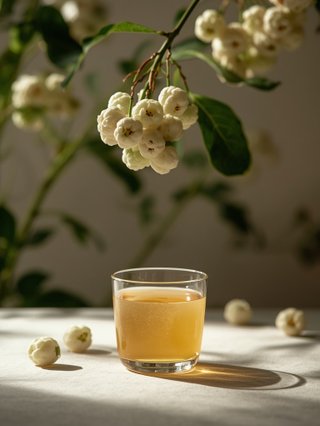
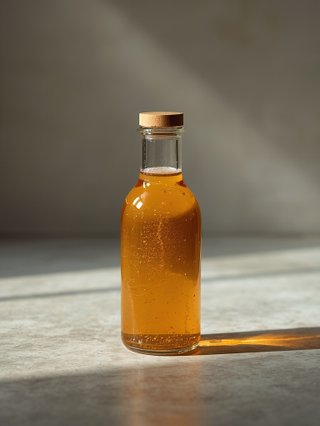
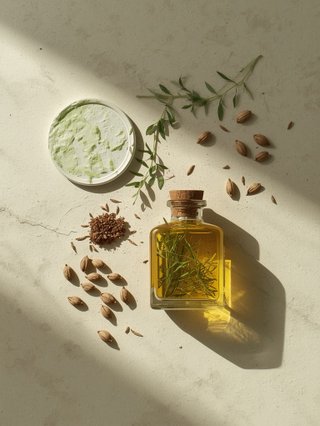
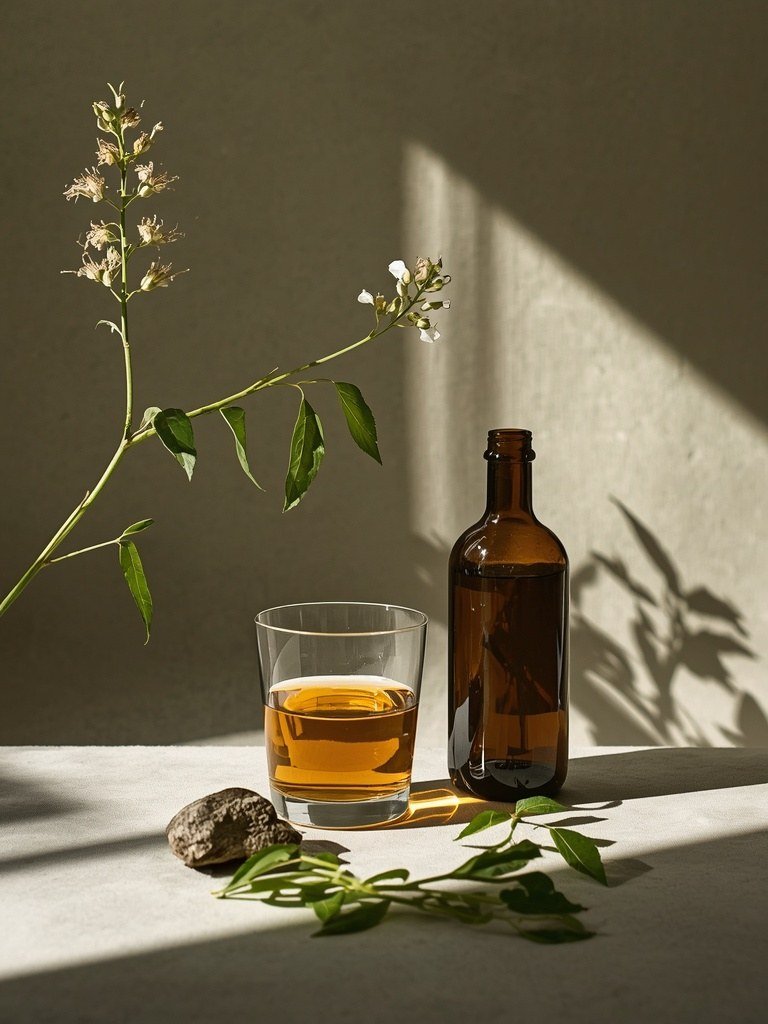
Wormwood wine (vinum absinthites) is a classical herbal and pharmacopeial formulation that marries the restorative bitter principles of Artemisia with a quality wine base. In traditional preparations, 4 tablespoons of crushed dried wormwood are first macerated in 100 ml of 40% alcohol for 24 hours to initiate solvent extraction, after which 1 liter of dry white wine is added and left to infuse in a dark environment for 7 to 10 days with regular agitation. Once strained, the aromatic elixir is stored in amber glass bottles. Administered at 1 to 2 tablespoons prior to dining, it functions as a potent natural aperitif that enhances digestive secretions and prevents postprandial heaviness.
Wormwood tincture, absinthe, and thujone toxicology
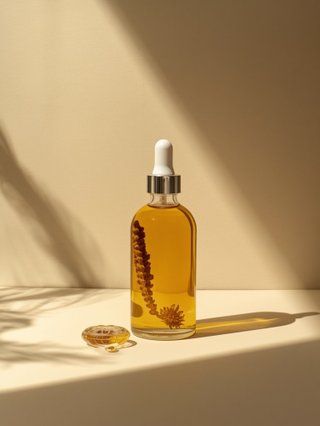
Wormwood serves as the iconic botanical core of absinthe and concentrated therapeutic stomach bitters. The primary toxicological consideration is the monoterpene thujone, which acts as a GABA-A receptor antagonist and can exert neurotoxic effects when consumed in excessive quantities or over extended periods. Symptoms of thujone toxicity include tremors, convulsions, hallucinations, severe sleep disruption, and renal impairment. Contemporary European regulations strictly mandate a maximum thujone threshold of 35 mg/kg in commercial alcoholic beverages. Wormwood preparations are strictly contraindicated during pregnancy (due to abortifacient and emmenagogue properties), lactation, and in patients suffering from peptic ulcer disease, biliary obstruction, or epilepsy.
Möchten Sie diese Richtlinien in Ihrer täglichen Ernährung umsetzen?
Unser intelligenter Diät-Generator erstellt in 3 Minuten einen maßgeschneiderten Speiseplan basierend auf diesen Empfehlungen.
Tags

mgr Emilia Szymańska
• 25.11.2026Diets Premium Experte
Experte im Team von Diets Premium. Spezialisiert auf Ernährungspläne, Kraftsport und Trainingspläne.