Atlantischer Lachs (Salmo salar) – Charakteristik der Art, Nährwerte und Rolle in der kardiologischen Prävention

Inhaltsverzeichnis 4
Medizinischer & redaktioneller Hinweis (§3 AGB): Dieser Artikel dient ausschließlich Informations- und Bildungszwecken, stellt keine ärztliche Beratung, Diagnose oder Therapieempfehlung dar und wird auf eigenes Risiko angewendet. Bei Erkrankungen oder Beschwerden wenden Sie sich bitte an Ihre Ärztin oder Ihren Arzt.
Die physiologische Wirkkraft des Lachses beruht auf einer einzigartigen Nährstoffmatrix, die langkettige mehrfach ungesättigte Omega-Fettsäuren wie Eicosapentaensäure und Docosahexaensäure umfasst. Diese essenziellen Bausteine integrieren sich nahtlos in Zellmembranen des Herz-Kreislauf-Systems, verbessern die endotheliale Funktion und unterstützen die Reduktion von Triglyceriden im Blutplasma. Ergänzt wird dieses Profil durch Astaxanthin, ein starkes Xanthophyll-Antioxidans, sowie durch biologisch wertvolles Eiweiß, Selen und natürliches Vitamin D, die gemeinsam das Immunsystem und die zelluläre Widerstandskraft stärken.
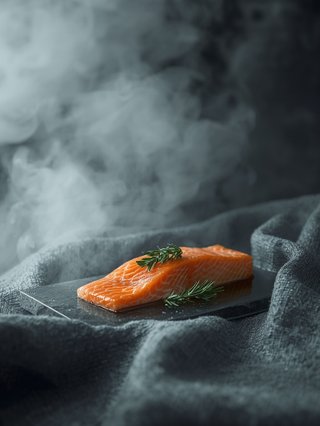
Für die praktische Umsetzung im Alltag empfiehlt sich die Auswahl frischer, ökologisch zertifizierter Ware mit fester Gewebestruktur und dezentem Meeresaroma. Um die empfindlichen Omega-Fettsäuren vor thermischer Oxidation zu schützen, sollten schonende Zubereitungsarten wie sanftes Dünsten im Ofen, Dampfgaren oder Sous-vide bevorzugt werden. Kombiniert mit frischen Kräutern und Zitrone wird der Lachs zu einem wertvollen Bestandteil einer bewussten und genussvollen Ernährung.
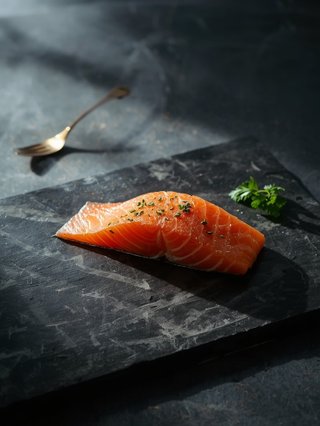
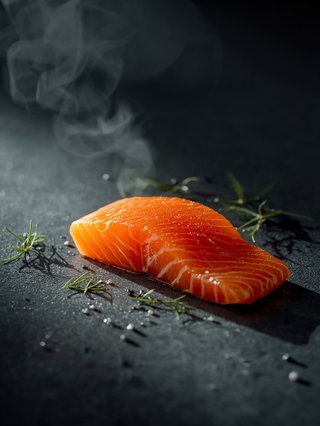
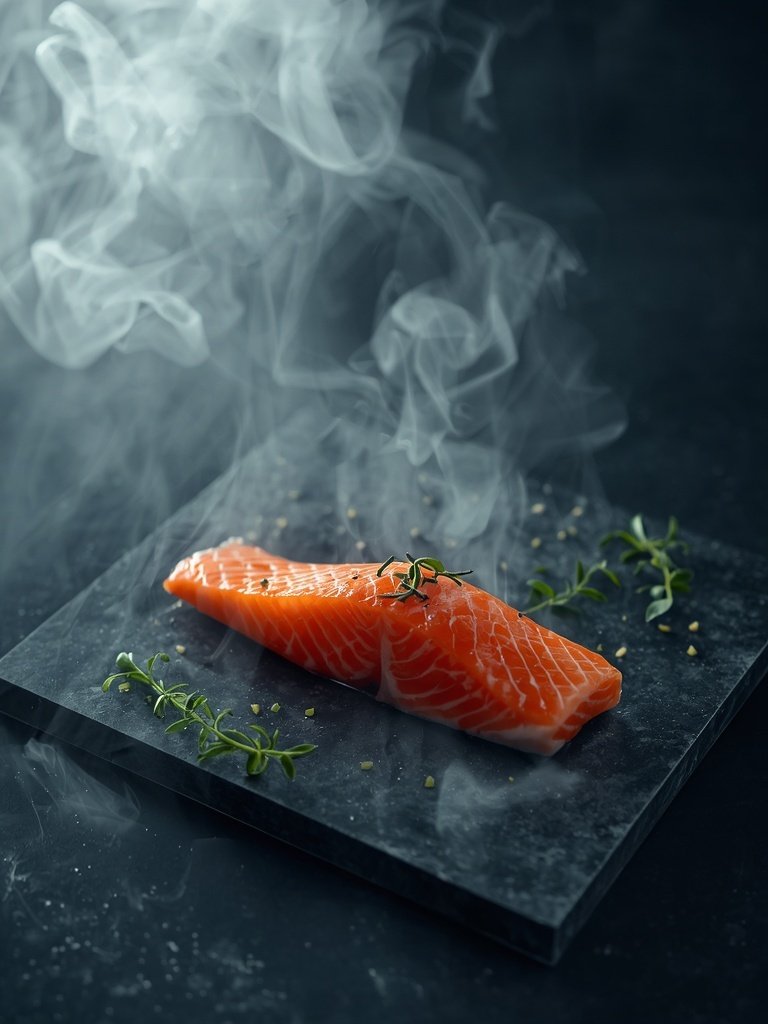
Der Atlantische Lachs (Salmo salar) zählt zu den ernährungsphysiologisch wertvollsten Speisefischen und gilt weltweit als Musterbeispiel für funktionelle Nahrung. Dank seines herausragenden Gehalts an langkettigen Omega-3-Fettsäuren (EPA und DHA), vollwertigem Eiweiß, bioverfügbarem Vitamin D3 und Astaxanthin fördert der regelmäßige Verzehr Herz, Gehirn und Immunsystem nachhaltig.
Biology and Species Profile of Atlantic Salmon (Salmo salar)
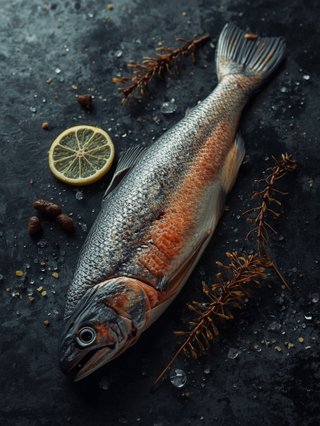
Atlantic salmon is a quintessential anadromous teleost belonging to the Salmonidae family. It features a hydrodynamic fusiform silhouette clad in silvery cycloid scales adorned with characteristic X-shaped dark spots above the lateral line.
Juveniles (parr and smolts) inhabit pristine cold-water river systems of Northern Europe and North America before migrating into oceanic pelagic feeding grounds for rapid maturation. Mature adults undertake an arduous upstream spawning migration back to their natal streams, negotiating formidable rapids and waterfalls.
Omega-3 Fatty Acid Architecture (EPA and DHA) and Cardioprotection
The premier nutritional hallmark of salmon is its abundance of marine omega-3 polyunsaturated fatty acids: eicosapentaenoic acid (EPA) and docosahexaenoic acid (DHA), supplying 1.5 to 2.8 g per 100 g serving.
EPA and DHA incorporate into cell membrane phospholipids across cardiovascular tissues, delivering established clinical benefits:
- reducing fasting plasma triglycerides by 20% to 30%,
- enhancing endothelial nitric oxide release and lowering peripheral vascular resistance,
- conferring antiarrhythmic protection by stabilizing myocardial electrophysiology,
- attenuating platelet hyper-aggregation and reducing arterial thrombotic risk.
Micronutrient Matrix: Vitamin D3, Selenium, and Astaxanthin
In addition to beneficial lipids, salmon flesh represents an unrivaled dietary source of vitamin D3 (cholecalciferol)—a single 150 g fillet easily fulfills 100% of adult daily nutritional targets, pivotal during periods of minimal sunlight.
Furthermore, it supplies complete, digestible protein (approx. 20 g/100 g), selenium for glutathione peroxidase activation, cobalamin (B12), and astaxanthin. Astaxanthin is a xanthophyll antioxidant whose radical-quenching capacity drastically exceeds that of alpha-tocopherol, protecting cells against oxidative decay.
Selection Criteria, Storage, and Nutrient-Preserving Culinary Techniques
When purchasing salmon, evaluate firmness, resilient tissue rebound, subtle maritime aromatics, and eco-certifications (MSC for wild stocks, ASC or Organic for farmed products). Store fresh cuts at 0–2°C and consume within 24–48 hours.
To prevent thermal oxidation of fragile polyunsaturated fatty acids, avoid intense high-heat pan frying. Optimal cooking modalities encompass gentle baking at 160–170°C, steam poaching, or sous-vide preparation accompanied by fresh dill, lemon zest, and rosemary.
Möchten Sie diese Richtlinien in Ihrer täglichen Ernährung umsetzen?
Unser intelligenter Diät-Generator erstellt in 3 Minuten einen maßgeschneiderten Speiseplan basierend auf diesen Empfehlungen.
Tags

Olivia Davis
• 25.11.2026Diets Premium Experte
Experte im Team von Diets Premium. Spezialisiert auf Ernährungspläne, Kraftsport und Trainingspläne.