Pinienkerne (Pinolen) – Nährwert, Bezugsquellen und kulinarische Alternativen
Inhaltsverzeichnis 4
Medizinischer & redaktioneller Hinweis (§3 AGB): Dieser Artikel dient ausschließlich Informations- und Bildungszwecken, stellt keine ärztliche Beratung, Diagnose oder Therapieempfehlung dar und wird auf eigenes Risiko angewendet. Bei Erkrankungen oder Beschwerden wenden Sie sich bitte an Ihre Ärztin oder Ihren Arzt.
Im Herzen des ernährungsphysiologischen Profils von Pinienkernen stehen mehrfach ungesättigte Fettsäuren sowie spezielle pflanzliche Verbindungen wie die einzigartige Pinolensäure und natürliche Phytosterole. Diese bioaktiven Substanzen unterstützen physiologisch die Sättigungssignale des Körpers und tragen dazu bei, den Cholesterinspiegel auf natürliche Weise im Gleichgewicht zu halten. Die Untersuchung verschiedener Herkünfte zeigt zudem deutliche qualitative Unterschiede zwischen mediterranen Arten und kommerziellen Alternativen, wobei auch potenzielle Geschmacksbeeinträchtigungen durch bestimmte asiatische Importe wissenschaftlich beleuchtet werden.
Für die praktische Umsetzung in der täglichen Küche empfiehlt es sich, Pinienkerne sparsam und bewusst einzusetzen, um ihr volles Aroma durch leichtes Anrösten zu entfalten. Wer nach budgetfreundlichen oder gut verfügbaren Alternativen sucht, kann auf nährstoffreiche Optionen wie Walnüsse oder eingeweichte Cashewnüsse zurückgreifen, die ähnliche Texturen und wertvolle Omega-Fettsäuren liefern. Ein sorgsamer Umgang bei der Auswahl der Bezugsquellen schützt vor geschmacklichen Enttäuschungen und sorgt dafür, dass die kulinarische Verwendung stets ein bekömmliches und genussvolles Erlebnis bleibt.
Aufgrund ihres bemerkenswerten ernährungsphysiologischen Profils stellen essbare Samen und Nüsse einen essenziellen Bestandteil einer ausgewogenen Ernährung dar. Neben traditionellen Nüssen erfreuen sich Pinienkerne (Pignolien) wachsender Beliebtheit. Sie zeichnen sich durch ihren feinen, buttrigen Geschmack sowie ein reiches Spektrum an bioaktiven Mikronährstoffen, essenziellen Fettsäuren und Antioxidantien aus, die das kardiovaskuläre System und den Stoffwechsel gezielt unterstützen.
Botanical Origin and Culinary Versatility of Pine Nuts
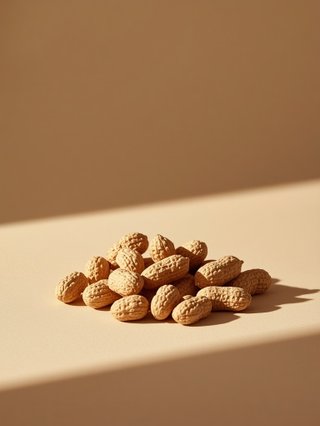
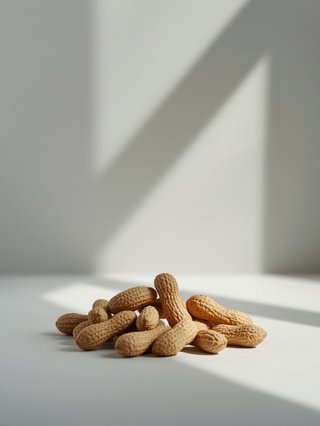
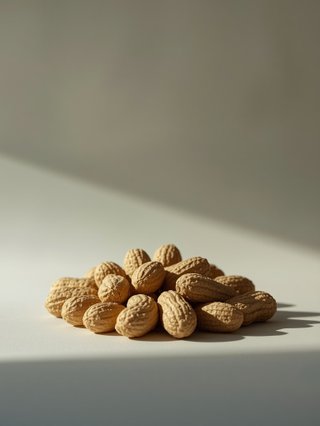
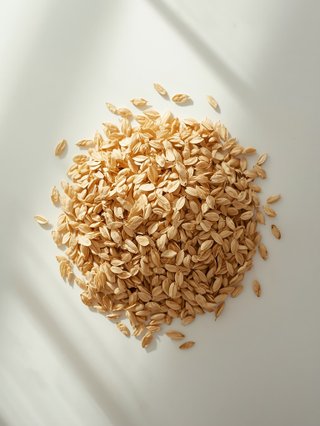
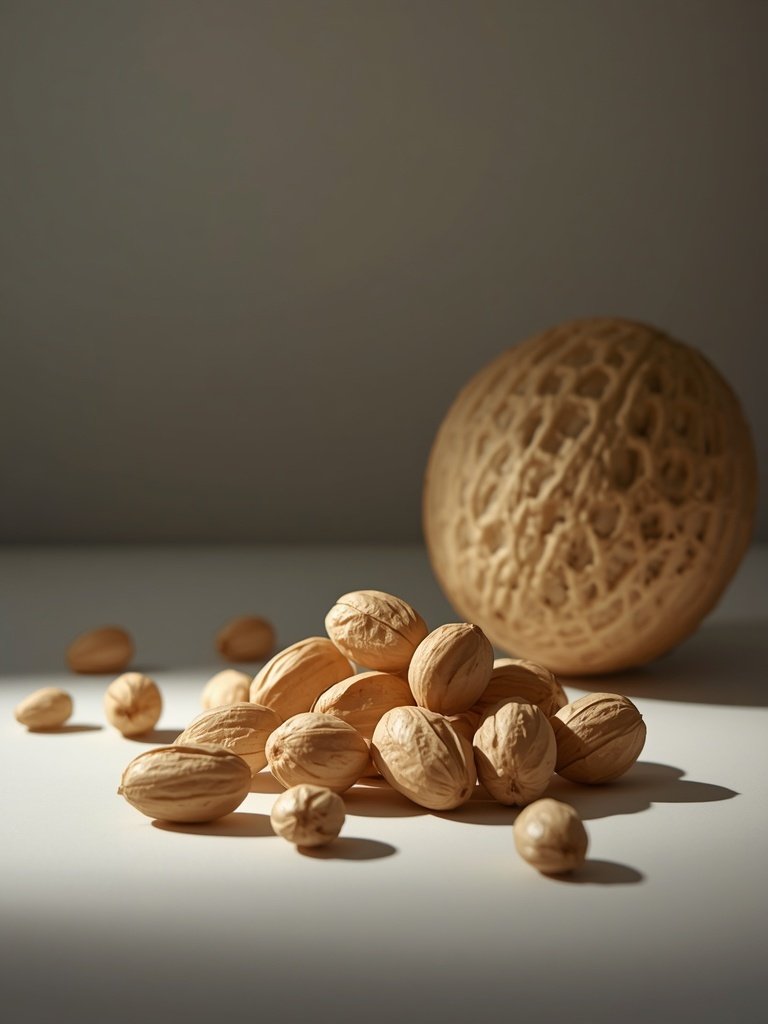
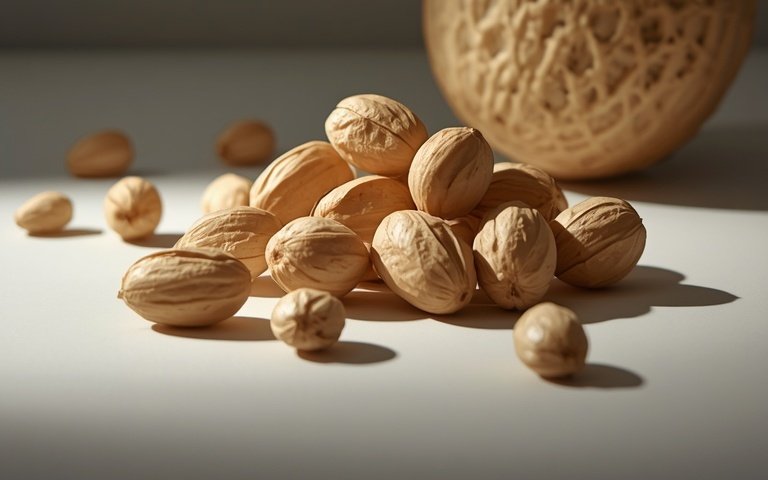
Pine nuts, frequently designated as pignolias, are the edible seeds harvested from the cones of select pine species. The most prized culinary varieties originate from the Mediterranean stone pine (Pinus pinea), while commercial alternatives are frequently harvested from Asian species such as Pinus koraiensis.
Appreciated since antiquity across Roman and Greek culinary traditions, these seeds are celebrated for their subtle resinous note and rich, buttery texture. Lightly toasting them releases delicate volatile oils that elevate salads, roasted vegetables, and baked goods. Most famously, pine nuts are the cornerstone of authentic Ligurian Pesto alla Genovese, ground alongside fresh basil, garlic, extra virgin olive oil, and aged Parmigiano Reggiano. Their versatility extends from Mediterranean and Middle Eastern savory dishes to delicate desserts such as Italian Torta della Nonna.
Nutritional Profile and Cardiovascular Health Benefits
Pine nuts provide an exceptionally dense matrix of cardioprotective and metabolic nutrients:
- Polyunsaturated Fatty Acids (PUFAs): Rich in linoleic acid and the unique pinolenic acid (an isomer of polyunsaturated fatty acid), pine nuts have been studied for their ability to stimulate satiety hormones (including cholecystokinin and GLP-1) and support healthy lipid profiles.
- Plant Sterols: Natural phytosterols competitively inhibit intestinal absorption of dietary cholesterol, fostering reduced levels of low-density lipoprotein (LDL) and supporting endothelial integrity.
- Vital Minerals and Vitamins: A 100 g serving provides approximately 250 mg of magnesium (crucial for neuromuscular transmission and glucose metabolism), alongside bioavailable zinc, copper (essential for iron assimilation and erythropoiesis), and folate.
- Antioxidant Capacity: Elevated concentrations of vitamin E (alpha-tocopherol) and polyphenols counteract reactive oxygen species (ROS), mitigating systemic oxidative stress and inflammatory signaling.
Purchasing, Sourcing, and Pine Mouth Syndrome
The labor-intensive harvest of pine cones and the mechanical challenge of extracting the kernel from its rigid protective shell explain why pine nuts rank among the most expensive seeds worldwide. Evaluating quality and provenance is paramount when purchasing:
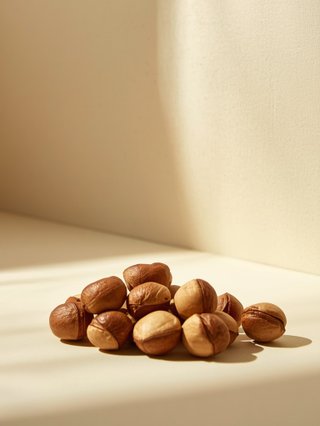
Mediterranean stone pine nuts (Pinus pinea) feature an elongated, slender shape with a creamy ivory tint and an exquisite, resinous aroma. Commercial variants imported from Asian pine species (such as Pinus koraiensis or Pinus armandii) are typically shorter, plumper, and more budget-friendly. However, non-food-grade varieties like P. armandii have historically been associated with Pine Mouth Syndrome (metallogeusia).
This benign but unpleasant sensory condition manifests 24 to 48 hours post-consumption as an intense bitter, metallic taste exacerbated by other food and drink, resolving spontaneously within one to two weeks. Furthermore, due to their delicate polyunsaturated fatty acid matrix, pine nuts oxidize rapidly; they should always be stored in hermetic containers in a cold, dark environment, ideally refrigerated.
Culinary Substitutes and Cost-Effective Alternatives
Given the premium pricing of authentic Mediterranean pine nuts, numerous culinary and nutrient-dense substitutes can replicate their textural and flavor profile:
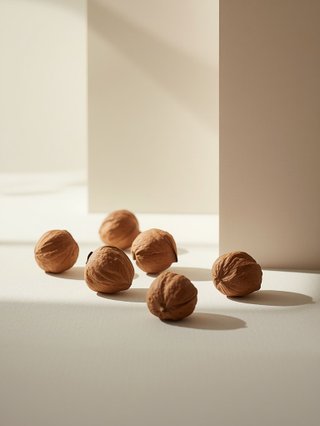
- Walnuts: The gold standard alternative in pesto preparations. They furnish a deep, earthy note while boosting cardiovascular health through substantial concentrations of plant-derived omega-3 (alpha-linolenic acid, ALA).
- Cashews: Thanks to their neutral, buttery richness and low fiber texture, soaked or toasted cashews emulate the melting mouthfeel of pine nuts in spreads, vegan creams, and sauces.
- Shelled Sunflower Seeds: A budget-conscious, allergen-friendly option that delivers high amounts of vitamin E, selenium, and phytosterols. Dry-toasting them imparts a nutty profile suitable for rustic pestos and crisp salads.
- Blanched Almonds: Sliced or ground almonds effectively match the tender crunch and mild aromatic notes required in confectionery, tagines, and pilafs.
Möchten Sie diese Richtlinien in Ihrer täglichen Ernährung umsetzen?
Unser intelligenter Diät-Generator erstellt in 3 Minuten einen maßgeschneiderten Speiseplan basierend auf diesen Empfehlungen.
Tags

mgr David Janitzek
• 25.11.2026Diets Premium Experte
Experte im Team von Diets Premium. Spezialisiert auf Ernährungspläne, Kraftsport und Trainingspläne.