Patison – gesundheitliche Eigenschaften, Nährwerte und kulinarische Verwendung
Inhaltsverzeichnis 3
Medizinischer & redaktioneller Hinweis (§3 AGB): Dieser Artikel dient ausschließlich Informations- und Bildungszwecken, stellt keine ärztliche Beratung, Diagnose oder Therapieempfehlung dar und wird auf eigenes Risiko angewendet. Bei Erkrankungen oder Beschwerden wenden Sie sich bitte an Ihre Ärztin oder Ihren Arzt.
Physiologisch betrachtet zeichnet sich der Patisson durch einen extrem hohen Wassergehalt und eine sehr geringe Dichte an Kohlenhydraten aus. Sein glykämisches Profil macht ihn zu einer hervorragenden Wahl für Personen, die auf ihren Blutzuckerspiegel achten müssen, wie etwa bei Insulinresistenz oder Diabetes. Die enthaltenen Ballaststoffe sind besonders zart und fördern eine sanfte Verdauung, während die Abwesenheit von Fett und die geringe Energiedichte die Gewichtskontrolle und die kardiovaskuläre Gesundheit unterstützen.
In der Küche erweist sich der Patisson als äußerst vielseitig, wobei der Erntezeitpunkt entscheidend für die Verwendung ist. Junge Früchte können mitsamt ihrer zarten Schale roh in Salaten verzehrt oder milchsauer fermentiert werden, um die Darmflora mit natürlichen Probiotika zu unterstützen. Größere Exemplare eignen sich hervorragend zum Füllen, Schmoren oder Backen. Durch die Kombination mit Kräutern wie Dill und Knoblauch entstehen schmackhafte Beilagen, die eine nährstoffreiche und leichte Alternative zu schweren Kohlenhydratquellen darstellen.
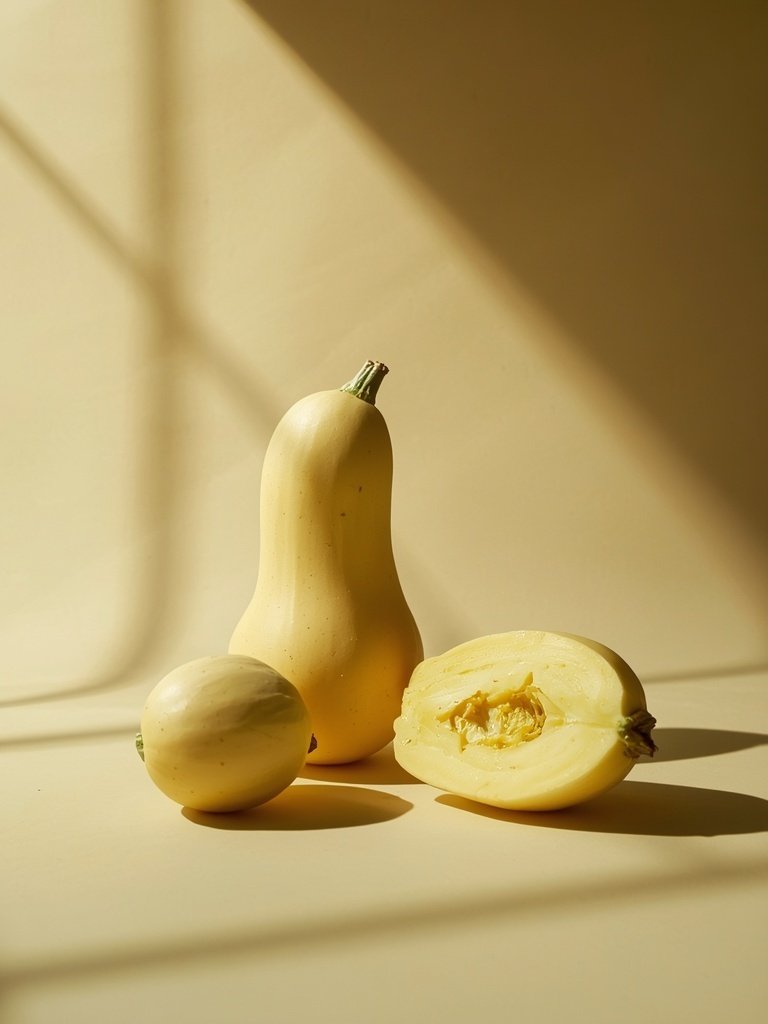
Der Patisson (Cucurbita pepo var. patissoniana), aufgrund seiner charakteristischen Form auch als Ufo-Kürbis oder Muschelkürbis bekannt, ist ein traditionsreiches Sommerkürbisgewächs nordamerikanischen Ursprungs aus der Familie der Kürbisgewächse (Cucurbitaceae). Seine abgeflachte, tellerförmige Frucht mit gewelltem Rand erinnert optisch an einen Stern. Dank seines feinen, leicht nussigen Aromas, seiner extrem geringen Kaloriendichte und seiner hervorragenden Bekömmlichkeit wird der Patisson in der modernen Diätetik und mediterranen Küche vielseitig geschätzt – ob geschmort, gefüllt, eingelegt, milchsauer fermentiert oder roh als feines Carpaccio.
Pattypan Squash – Botanical Characteristics and Properties
Because of its striking, ornamental silhouette resembling a scalloped seashell or star, pattypan squash was initially cultivated in European gardens primarily as a decorative plant. Its fruits are round, slightly flattened discs bordered by symmetrically scalloped edges. Depending on the cultivar and harvest stage, fruit diameter ranges from 3–7 cm in tender baby squash up to 20–25 cm in fully mature specimens the size of dinner plates.
The rind exhibits vibrant color variations across cultivars—spanning ivory white, pale lime green, golden yellow, and deep dark green. Beneath the skin lies crisp, pale flesh with a mild, buttery-nutty flavor profile closely related to zucchini and marrow squash, yet firmer and less watery when cooked. In temperate climates, the harvest season runs from mid-July until the first autumn frosts. Because the fruits grow rapidly under warm sunlight and adequate irrigation, frequent harvesting yields succulent, seedless young squash of peak culinary quality.
Pattypan Squash – Nutritional Value and Glycemic Profile
Pattypan squash is among the lowest-calorie vegetables available, making it an ideal staple for weight-reduction and cardiometabolic diets. A 100 g serving of fresh pattypan provides only 18–20 kcal, over 92% water, ~1.2 g of protein, virtually zero fat (~0.1 g), just 2.0–3.5 g of net carbohydrates, and ~1.2 g of gentle dietary fiber. With a very low glycemic index (GI ≈ 15), it can be consumed freely by individuals with insulin resistance, prediabetes, and type 1 or type 2 diabetes.
- Micronutrient and antioxidant profile: pattypan squash supplies bioavailable potassium (supporting electrolyte balance and normal blood pressure), calcium, magnesium, phosphorus, and trace iron. It is also a valuable source of vitamin C (~18 mg/100 g), B-complex vitamins (thiamine B1, riboflavin B2, niacin B3, and folate), and protective carotenoids (lutein and beta-carotene, particularly in golden-skinned cultivars).
- Exceptional digestibility: low in fermentable oligosaccharides and free of harsh insoluble fibers, cooked pattypan squash soothes the digestive tract and is well suited for infant weaning, elderly nutrition, and patients recovering from gastritis or biliary disorders.
Pattypan Squash – Culinary Uses and Fruit Selection
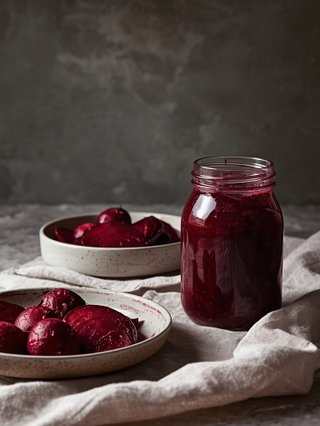
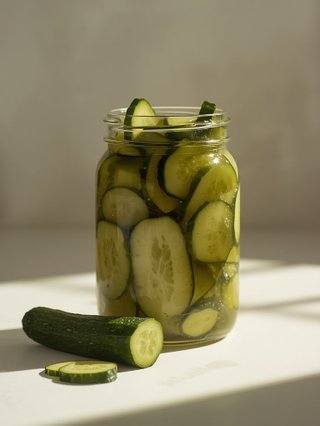
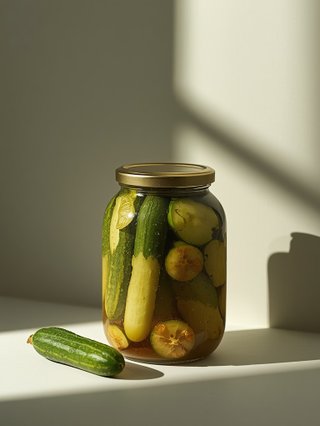
For raw consumption, fresh salads, vinegar pickling, and lacto-fermentation, the best choice is young, newly set baby pattypan squash (weighing 20–50 g and measuring 3–6 cm across). At this stage, the fruits are remarkably crisp and juicy with a tender, edible skin that requires no peeling. Pickled whole with dill, garlic, horseradish, and mustard seeds—or naturally lacto-fermented like sour cucumbers—mini pattypans make a crunchy, probiotic-rich accompaniment to autumn and winter meals.
Larger, more mature pattypan squash (weighing 200 g or more) excel in warm culinary preparations such as vegetable ratatouille, braising, pan-searing, grilling, or substituting for potatoes in meat and vegetarian stews. In older specimens where the outer rind has hardened, peel the skin and scoop out the seed core; the hollowed disc forms a decorative natural vessel ideal for stuffing with millet or buckwheat groats, lentils, lean minced poultry, tomatoes, and Mediterranean herbs before baking.
Möchten Sie diese Richtlinien in Ihrer täglichen Ernährung umsetzen?
Unser intelligenter Diät-Generator erstellt in 3 Minuten einen maßgeschneiderten Speiseplan basierend auf diesen Empfehlungen.
Tags

Katarzyna Mazur
• 25.11.2026Diets Premium Experte
Experte im Team von Diets Premium. Spezialisiert auf Ernährungspläne, Kraftsport und Trainingspläne.