Avocadokern – phytochemische Zusammensetzung, antioxidative Eigenschaften, Sicherheit (persin) und Anwendung
Inhaltsverzeichnis 4
Medizinischer & redaktioneller Hinweis (§3 AGB): Dieser Artikel dient ausschließlich Informations- und Bildungszwecken, stellt keine ärztliche Beratung, Diagnose oder Therapieempfehlung dar und wird auf eigenes Risiko angewendet. Bei Erkrankungen oder Beschwerden wenden Sie sich bitte an Ihre Ärztin oder Ihren Arzt.
Physiologisch betrachtet zeichnet sich der Kern durch eine außergewöhnlich hohe Konzentration an Polyphenolen, Catechinen und Phytosterolen aus, die in Laboruntersuchungen eine beachtliche antioxidative Kapazität aufweisen. Diese Verbindungen können dazu beitragen, freie Radikale zu neutralisieren und die zelluläre Integrität zu unterstützen. Dem gegenüber steht jedoch das Vorhandensein von Persin, einem natürlichen Toxin, sowie bitteren Gerbstoffen. Während diese Stoffe der Pflanze als Abwehrmechanismus dienen, mahnen Behörden für Lebensmittelsicherheit zur Vorsicht, da die Auswirkungen eines regelmäßigen Verzehrs beim Menschen noch nicht abschließend geklärt sind.
In der täglichen Praxis empfiehlt es sich, den Fokus auf eine nachhaltige und sichere Nutzung zu legen, anstatt den Kern als direktes Lebensmittel zu betrachten. Da klinische Langzeitstudien zur oralen Sicherheit fehlen, bietet sich die Verwendung in der natürlichen Körperpflege oder als Basis für hausgemachte Peelings an, um von den enthaltenen Wirkstoffen ohne gesundheitliches Risiko zu profitieren. Wer den Kern dennoch in die Ernährung integrieren möchte, sollte dies nur in sehr geringen Mengen und unter Berücksichtigung der individuellen Verträglichkeit tun, wobei die äußere Anwendung im Sinne eines ganzheitlichen Lebensstils die sicherere Alternative bleibt.
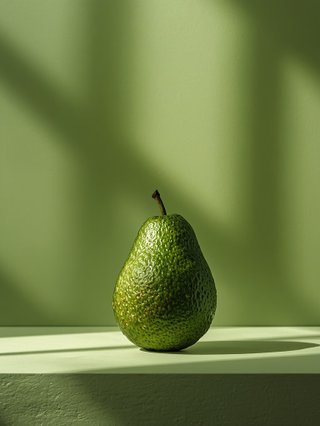
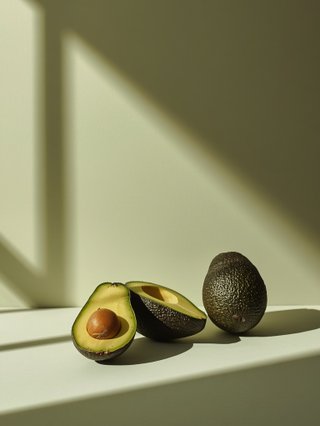
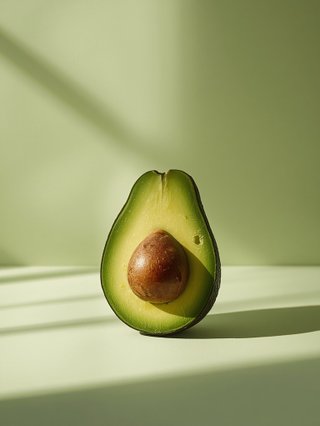
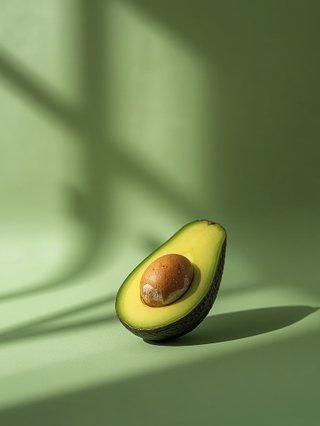
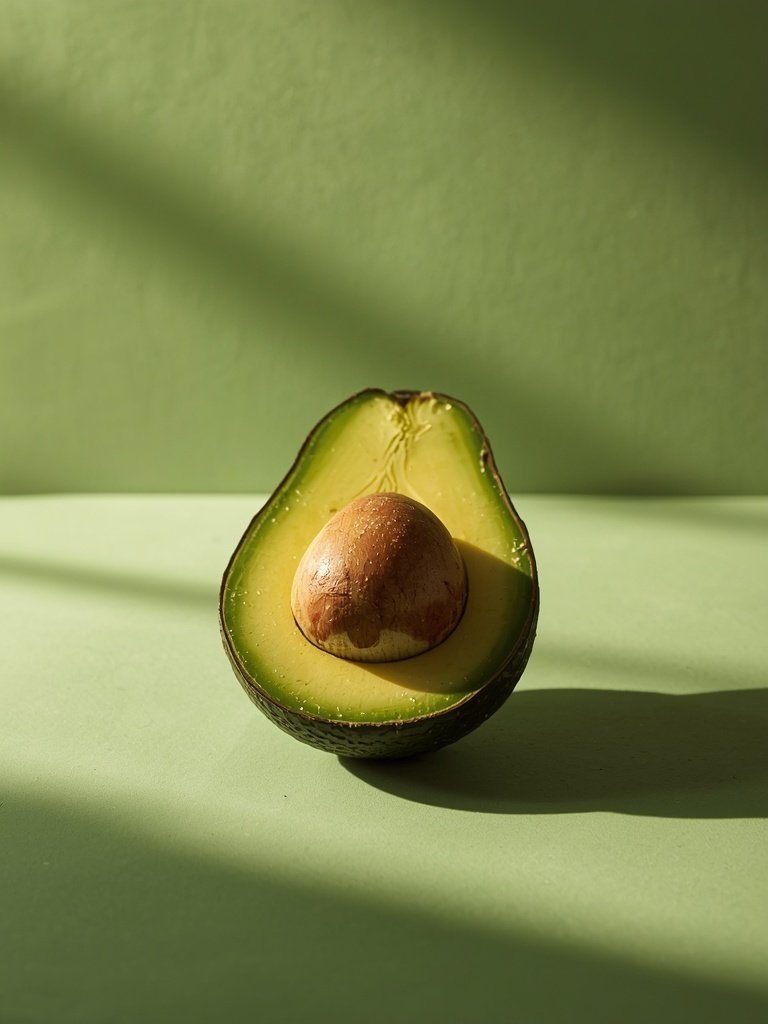
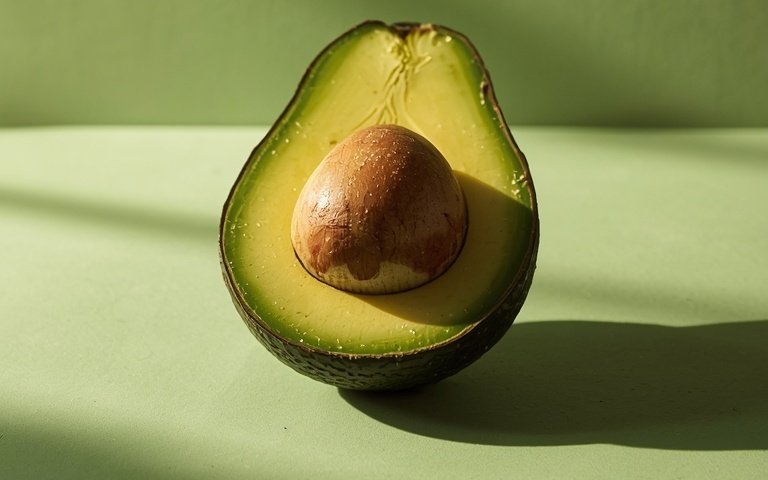
Die Avocado (Persea americana) gilt in der klinischen Diätetik als besonders wertvolle Frucht, die reich an einfach ungesättigten Fettsäuren (insbesondere Ölsäure), Kalium, Folat und Vitamin E ist. Während das cremige Fruchtfleisch regelmäßig verzehrt wird, landet der große, harte Kern – der etwa 13–18 % des Gesamtgewichts der Frucht ausmacht – meist im Abfall. In den letzten Jahren ist der Avocadokern jedoch zunehmend in den Fokus phytochemischer Analysen gerückt.
Laborstudien belegen, dass der Avocadokern hohe Konzentrationen an Polyphenolen, Proanthocyanidinen, Catechinen, Phytosterolen und Ballaststoffen aufweist. Gleichzeitig weisen Behörden für Lebensmittelsicherheit (wie die EFSA und das Bundesinstitut für Risikobewertung, BfR) auf enthaltene Gerbstoffe, Antinährstoffe sowie Persin – ein natürliches fungizides Toxin – hin. Wann ist die Nutzung des Avocadokerns sinnvoll und welche gesundheitlichen Vorsichtsmaßnahmen gelten?
Avocado seed – chemical composition and antioxidant potential
The avocado seed (the pit of Persea americana) consists of a thin seed coat surrounding two large, dense cotyledons. Biochemically, it serves as the plant’s primary reservoir of storage nutrients and defensive secondary metabolites. Spectrophotometric and chromatographic analyses indicate that avocado seed extracts exhibit remarkably high oxygen radical absorbance capacity (ORAC), containing a higher concentration of phenolic compounds than the edible pulp itself.
The primary bioactive classes identified in the avocado seed include:
- Polyphenols and flavonoids: including catechins, epicatechins, hydroxycinnamic acids (chlorogenic, caffeic, and ferulic acids), and procyanidins with potent free-radical scavenging activity.
- Phytosterols: predominantly beta-sitosterol, campesterol, and stigmasterol, which in experimental models compete with dietary cholesterol for micellar incorporation in the small intestine.
- Structural carbohydrates and starch: a substantial content of resistant starch alongside soluble and insoluble dietary fiber fractions.
- Minerals and trace lipids: moderate amounts of potassium, magnesium, and phosphorus, accompanied by trace tocopherols (vitamin E) and carotenoids.
Properties of avocado seed extracts in laboratory research
Most scientific reports regarding the biological effects of avocado seeds originate from in vitro cell culture assays and preclinical animal models utilizing purified aqueous or ethanolic seed extracts rather than raw ground seed powder.
Preclinical investigations have demonstrated several notable biological activities of isolated avocado seed fractions:
- Lipid-lowering and cardioprotective potential: beta-sitosterol, polyphenols, and soluble fiber fractions have been shown to reduce total and LDL cholesterol concentrations in experimental hypercholesterolemia models while protecting vascular endothelium against oxidative stress.
- Antimicrobial and antifungal activity: concentrated tannins and acetogenins inhibit the proliferation of selected pathogenic bacteria (such as Staphylococcus aureus and Escherichia coli) and Candida yeast strains under laboratory conditions.
- Anti-inflammatory modulation: polyphenolic extracts attenuate lipid peroxidation and downregulate pro-inflammatory signaling cascades.
From an evidence-based clinical standpoint, however, findings obtained with standardized extracts in animal models cannot be directly extrapolated to recommend the routine ingestion of raw ground avocado pits in humans.
Is the avocado seed toxic? Persin, tannins, and regulatory safety assessments
A central clinical question surrounding the avocado pit is its toxicological profile. The leaves, bark, skin, and seed of Persea americana contain persin (C23H40O4)—a lipophilic acetogenin derived from fatty acids that acts as a natural fungicidal and insecticidal defense compound.
Persin is highly toxic to domestic animals and livestock:
- Birds (e.g., parrots, canaries, poultry): are extremely sensitive to persin; ingestion rapidly induces respiratory distress, hydropericardium, myocardial necrosis, and death.
- Dogs, cats, rabbits, and horses: consuming avocado pits or skins causes acute gastrointestinal irritation (vomiting, diarrhea), non-infectious mastitis, and potential myocardial damage; furthermore, swallowed seed fragments pose a severe risk of mechanical intestinal obstruction.
What about human safety? While incidental intake of small amounts of avocado seed powder does not cause acute lethal toxicity in healthy adults, both the European Food Safety Authority (EFSA) and the German Federal Institute for Risk Assessment (BfR) emphasize that avocado seeds lack an established history of safe human consumption in the European Union and have not undergone comprehensive subchronic or chronic toxicological clearance. Moreover, high concentrations of astringent tannins, trypsin inhibitors, and trace cyanogenic glycosides in the raw seed can irritate the gastric mucosa, provoke nausea or constipation, and chelate dietary iron and proteins.
How to safely repurpose an avocado seed: cosmetics, natural dyeing, and home cultivation
Given the absence of comprehensive clinical safety data for the oral consumption of raw avocado pits, clinical nutritionists advise obtaining dietary nutrients from the edible avocado pulp while repurposing the seed externally in alignment with sustainable zero-waste practices.
Safe, practical ways to utilize an avocado seed include:
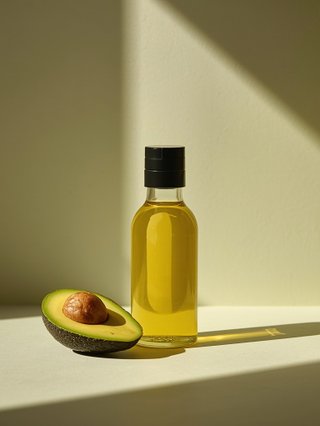
- Exfoliating body and foot scrub: after washing, peeling off the brown papery skin, and drying the seed, grate or grind it finely and blend with olive oil, sweet almond oil, or a gentle cleansing base. The natural granules exfoliate dead keratinocytes while surface polyphenols provide topical antioxidant support.
- Clarifying scalp and hair mask: combining finely ground seed powder with castor or coconut oil creates a stimulating pre-wash scalp treatment that helps remove excess sebum.
- Natural textile dye (dusty rose and terracotta): simmering halved avocado pits and skins in water releases natural tannins and polyphenolic pigments that dye cotton, linen, and silk fabrics a warm blush-pink hue.
- Indoor botanical propagation: suspending a cleaned avocado seed over a glass of water with toothpicks (broad base submerged) in a sunny window stimulates root and shoot germination within a few weeks, yielding an attractive houseplant.
Focusing on topical, craft, and horticultural applications captures the seed’s utility while avoiding gastrointestinal exposure to astringent tannins and unverified antinutrients.
Möchten Sie diese Richtlinien in Ihrer täglichen Ernährung umsetzen?
Unser intelligenter Diät-Generator erstellt in 3 Minuten einen maßgeschneiderten Speiseplan basierend auf diesen Empfehlungen.
Tags

mgr Felix Weber
• 25.11.2026Diets Premium Experte
Experte im Team von Diets Premium. Spezialisiert auf Ernährungspläne, Kraftsport und Trainingspläne.